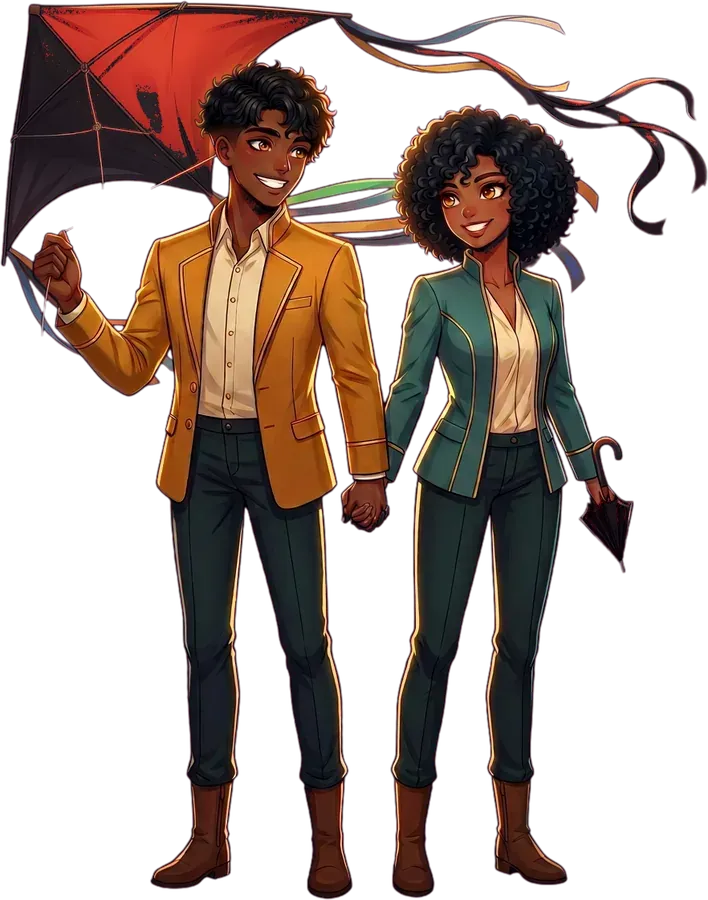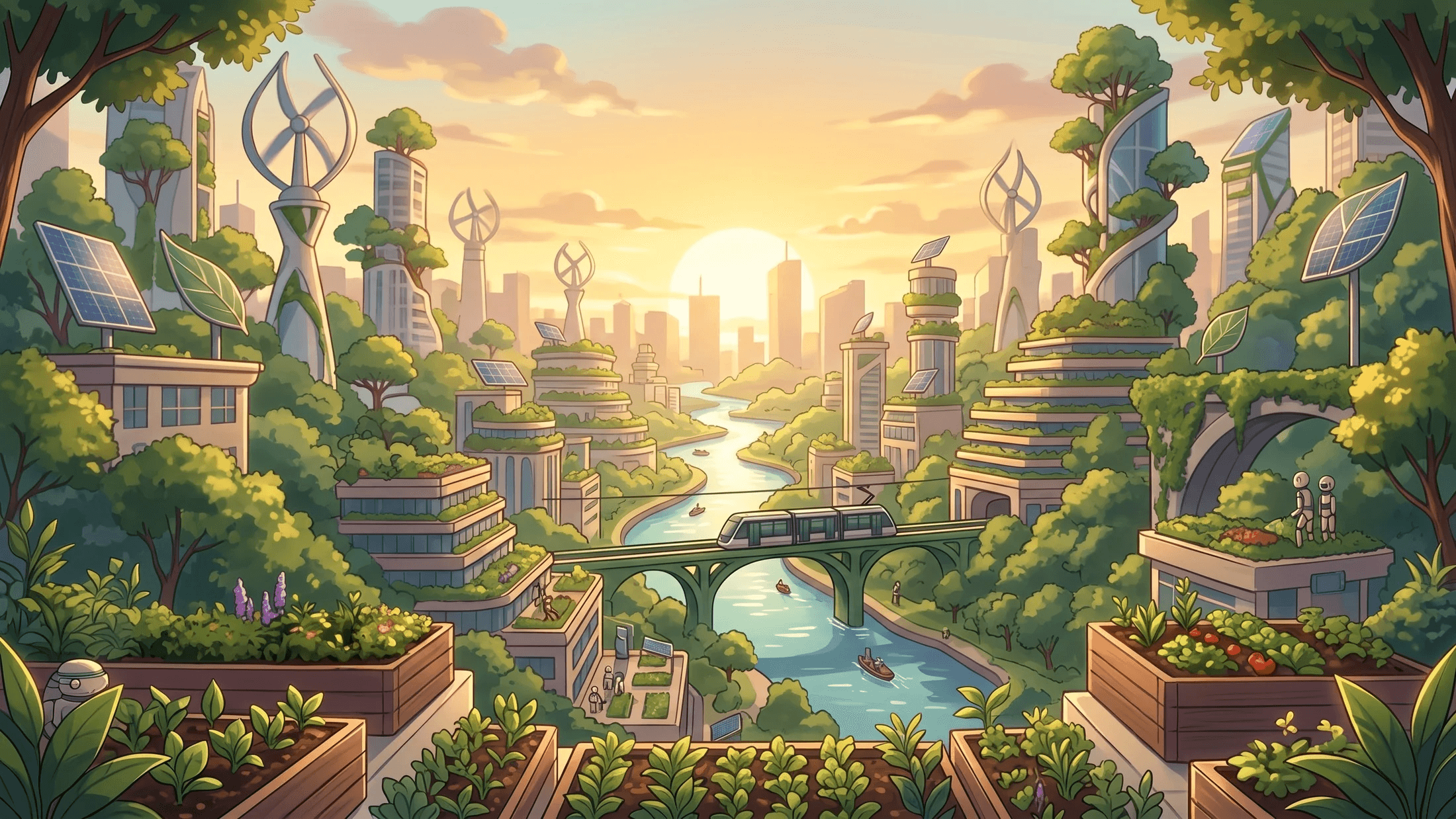
The world we want is one where we can do anything we want.
The rule
If a human wants to do it, a human gets to do it.
Everything else is covered by machine labor on demand.
The World We Want, in two minutes
Every AI company is promising us a future of abundance.
And none of them can tell you what your Tuesday looks like.
Here’s my attempt.
Read the narration
- 0:00 Every AI company is promising us a future of abundance.
- 0:05 Machines that can do anything. An intelligence explosion. Everyone gets rich.
- 0:10 And none of them can tell you what your Tuesday looks like.
- 0:13 If it plays out their way, they’ll own everything... and we’ll live on whatever pennies they hand us.
- 0:20 So let’s imagine the future we actually want.
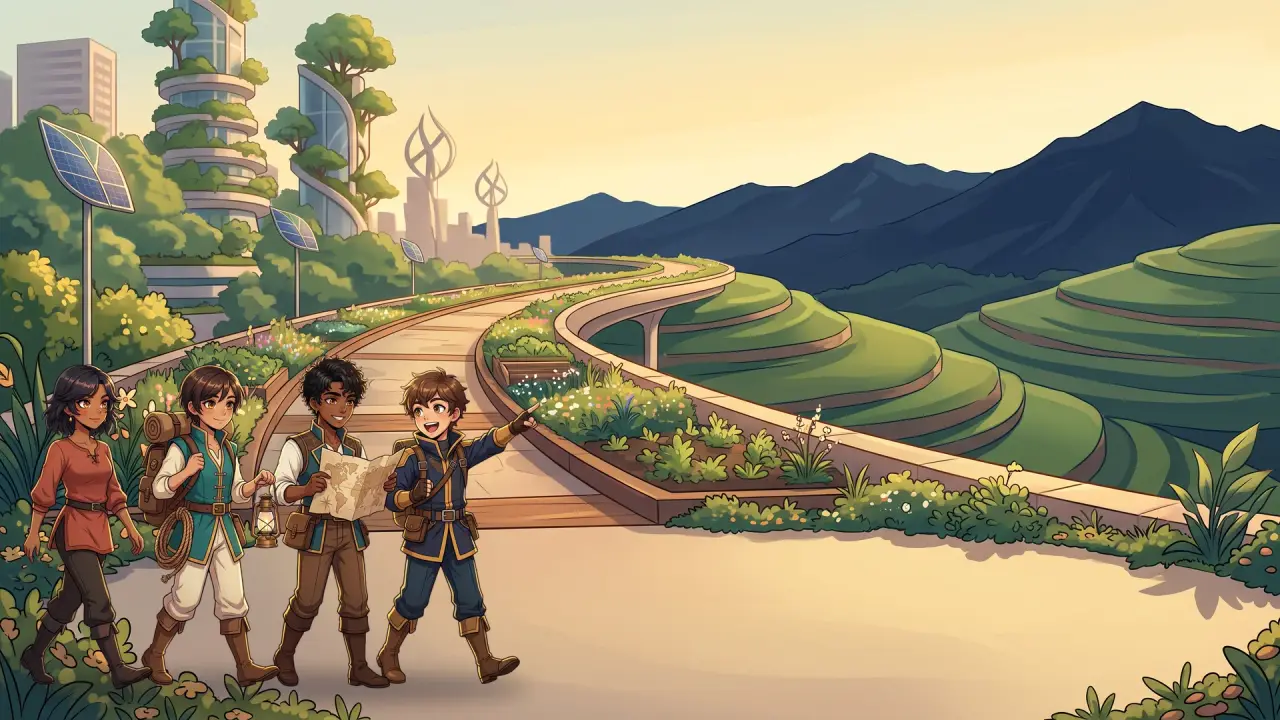
- 0:23 A world where you can do anything you choose.
- 0:26 Not what someone will pay you to do. Not what society asks of you. What you choose.
- 0:31 That takes two things we usually treat as opposites: freedom... and safety.
- 0:35 But really, they’re twins. To be free, you have to be safe.
- 0:39 So let’s build that world... backwards.
- 0:42 First: we need thinking machines and working robots, on call like the power grid, flexing up and down to meet demand.
- 0:50 Second: aim them at everything scarce. Food. Homes. Healthcare. Energy. Until there’s enough for everyone.
- 0:57 Not a basic-income check that rising prices swallow. The things themselves.
- 1:03 Third: once machines carry the load, the corporation doesn’t have to be the center of our lives.
- 1:09 Instead, we form parties: single-use companies, built around one quest, that disband when it’s done.
- 1:14 And we join guilds: people who share a craft and want to master it together, teaching it to people and machines alike.
- 1:22 You do the work you want to do, for the people around you.
- 1:25 And whatever’s left undone, the work nobody wants to do, the machines flex up to cover.
- 1:30 That’s what safety really means: the base of the pyramid, food, shelter, health, simply taken care of.
- 1:38 So everyone gets to climb higher. To belonging. To growth. To purpose.
- 1:44 And up there, we pursue the two things AI can’t automate: curiosity... and caring for each other.
- 1:51 You’re free... because you’re safe.
- 1:57 Oh, and P.S., AI companies? Feel free to start building this for us. We know you’re going to steal the idea anyway.
The problem
Here’s a number the AI industry should lose sleep over.
In Pew’s June 2026 survey, 52% said they were more concerned than excited about the growing use of AI in daily life, and just 9% said the opposite.
I don’t think that’s because people misunderstand the technology. I think it’s because nobody told them what’s in it for them.
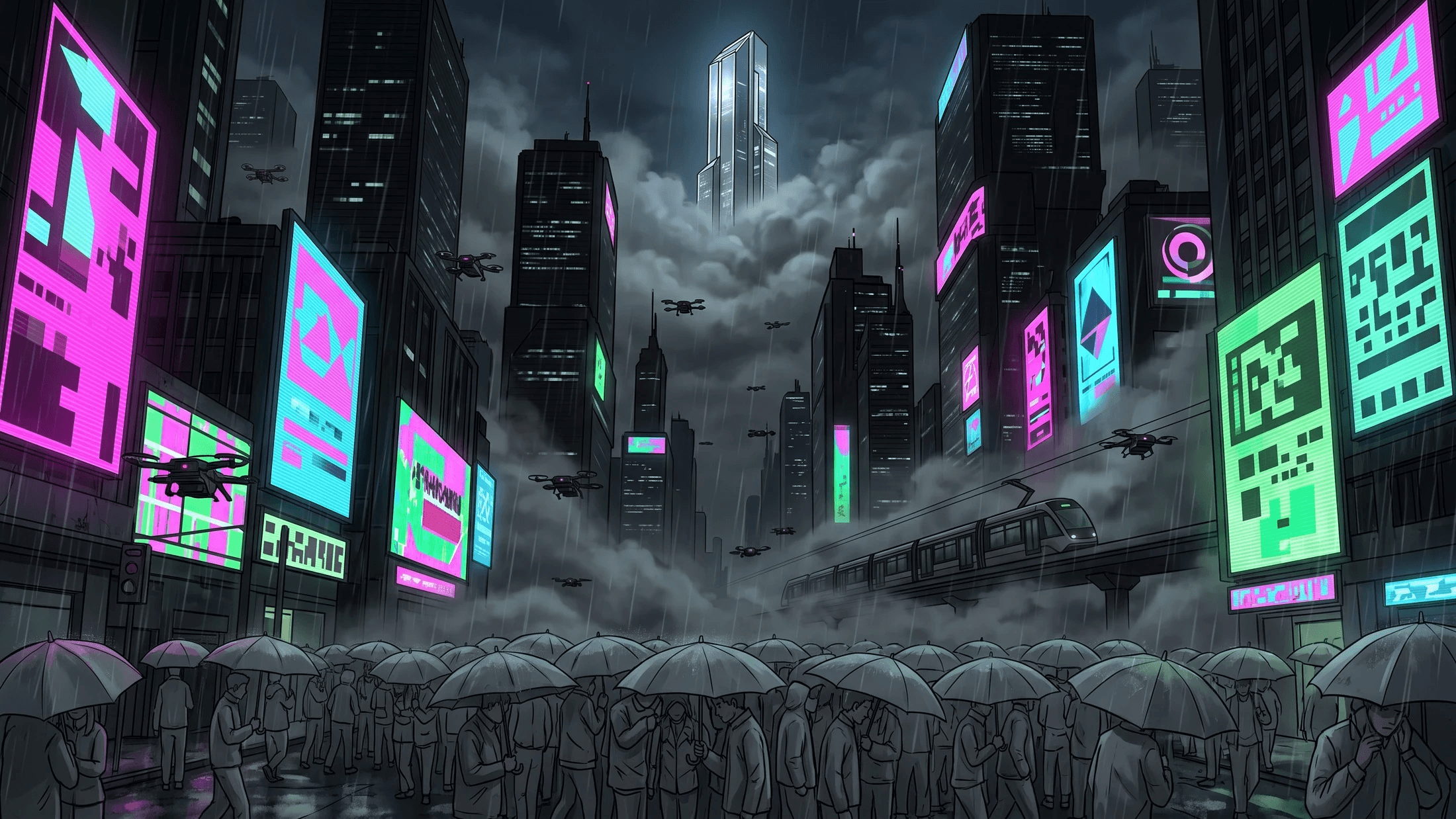
Their wayIf it plays out their way, they’ll own everything... and we’ll live on whatever pennies they hand us.
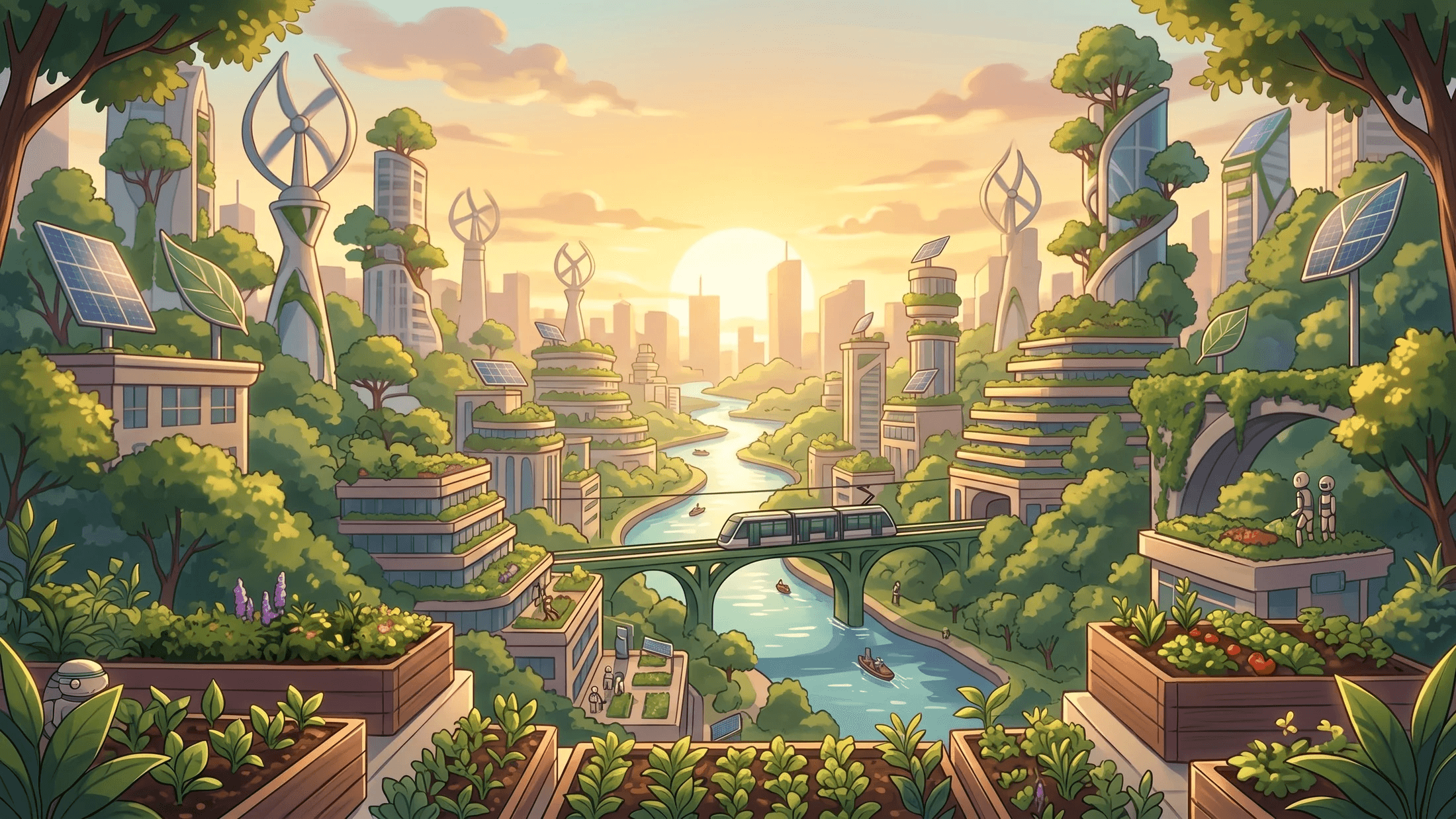
The world we wantA world where you can do anything you choose. Not what someone will pay you to do. Not what society asks of you. What you choose.
So let’s imagine the future we actually want.
The rule
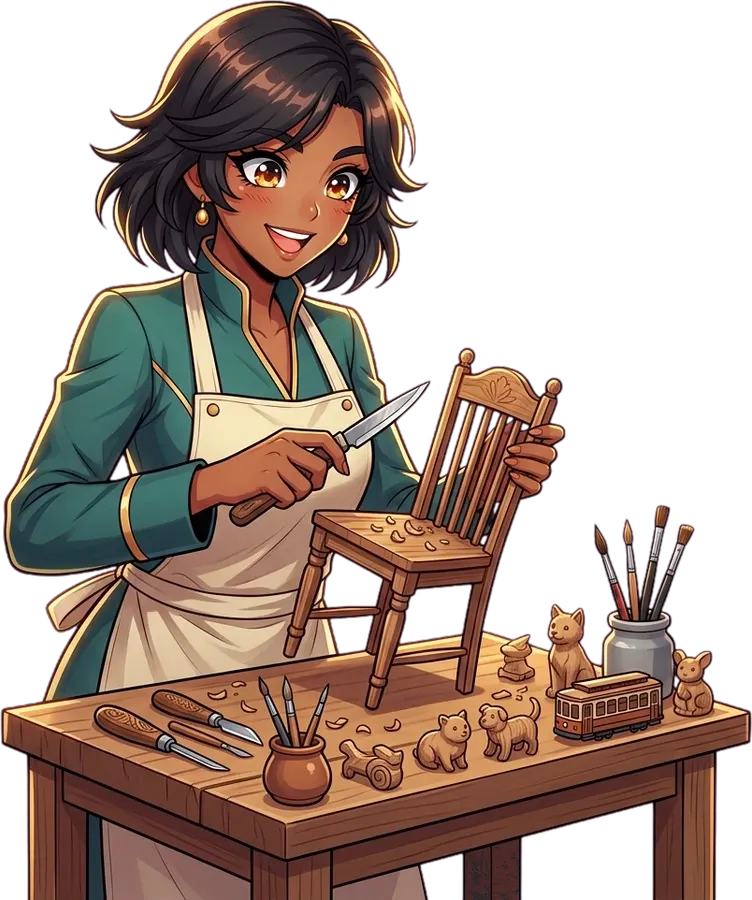
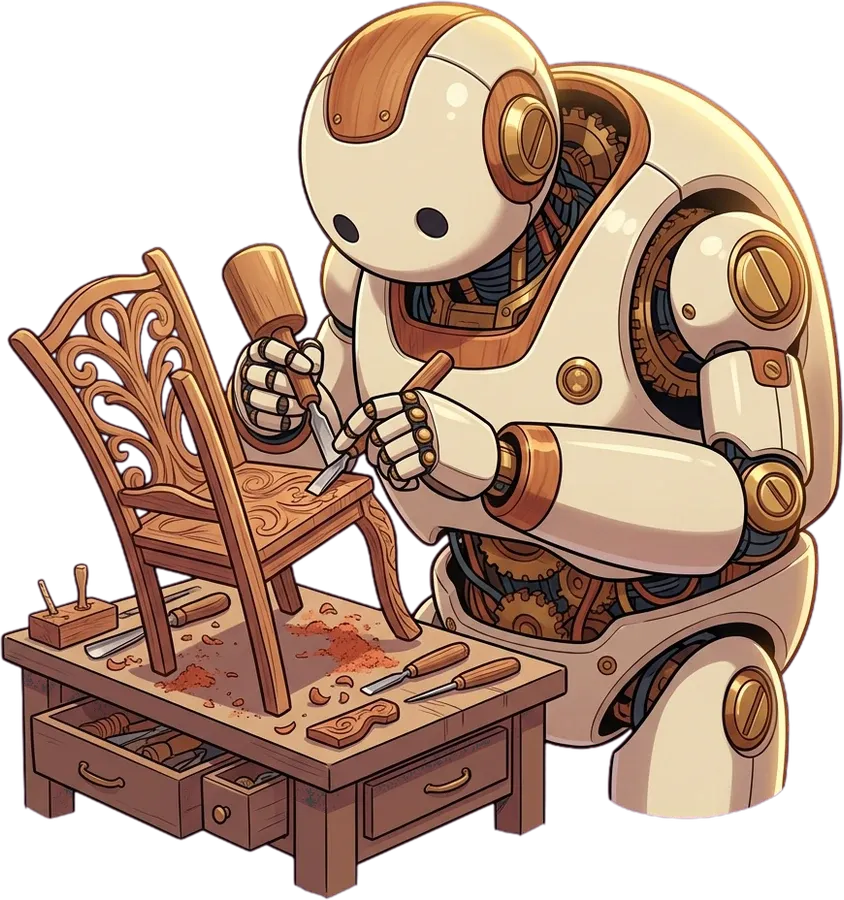
In the world we want, humans are always first in line, and machines fill whatever gap is left.
Eventually, I believe every community will have its own power plant, chip fab, micro-factory, and fleet of intelligent robots. The best outcome would be that it’s just held locally. Not by the state, not by a company, by everyone, everywhere, wherever they are. This would enable people to do the work they want, whenever they want, with intelligent machines available to do the rest.
- Work people choose to do
- Machine labor fills the rest
- Surplus flowing to where it’s needed
Tap a town to request goods. Watch its neighbors send their surplus.
A simple example: do you need a chair?
The answer
We want to live in a world of maximum agency, and maximum protection from harm.
Universal basic goods and services, powered by universal machine labor on demand, distributed by universal basic capital.
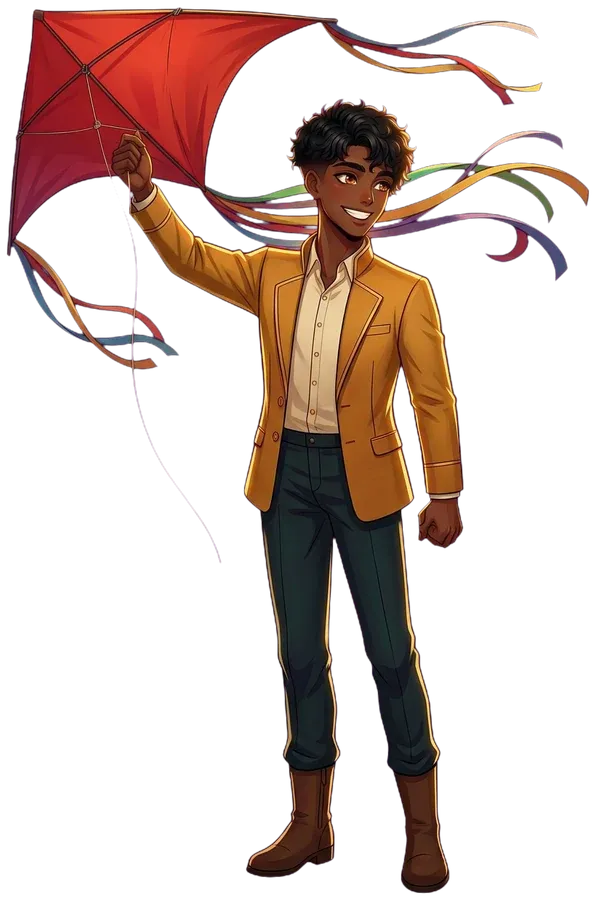

Capital and labor were historically enemies. Safety and freedom are twins.
Labor = freedom. When machines cover the necessary work, the work you do becomes something you choose: if a human wants to do it, a human gets to do it. Everything else is covered by surplus machine labor on demand.
Capital becomes safety. When every community shares ownership of the decentralized machines that make their goods and services, a share nobody can sell, ownership and access to surplus becomes the floor supporting everyone.
Getting to this ideal world takes three big changes.
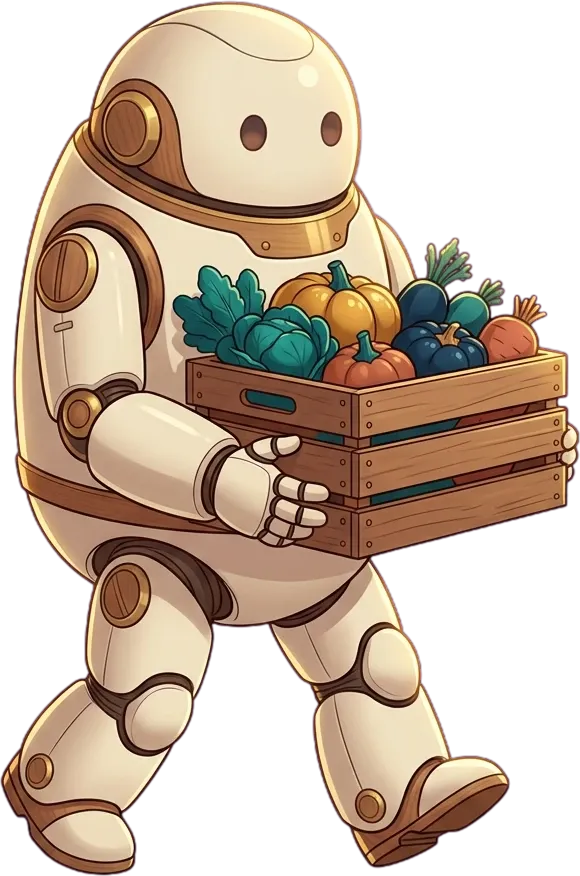 Create machine labor on demand.Think of machine labor on demand working like the power grid: it has to be built big enough to meet peak demand on the most demanding day of the year, everywhere.Read the essay
 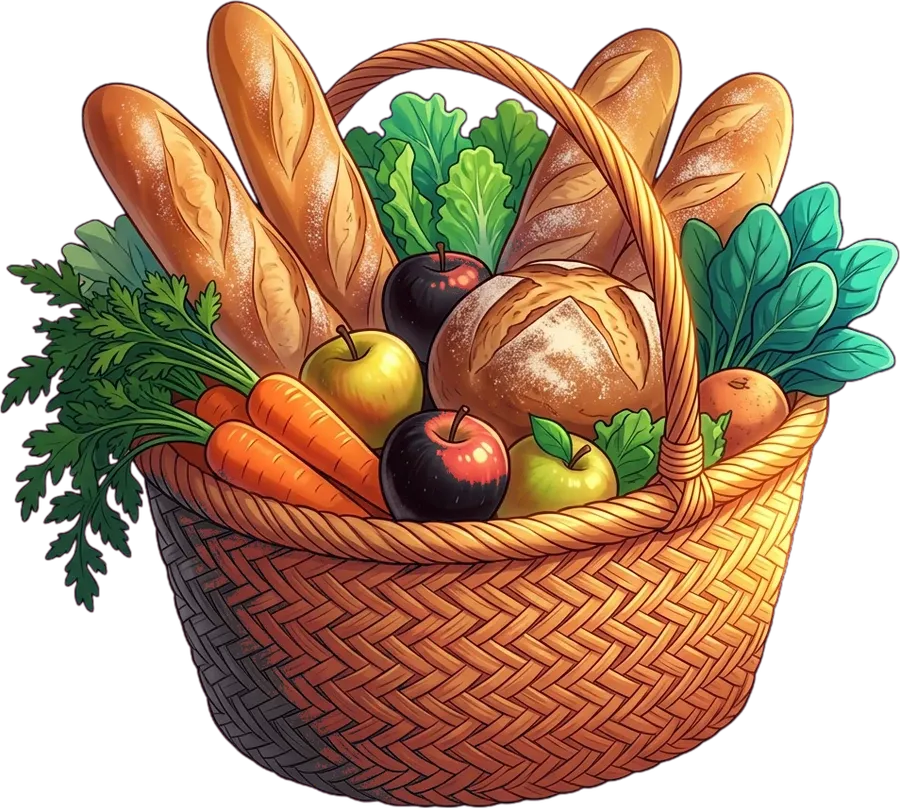 Point it at every critical resource and skillset that’s currently scarce.In this world, you don’t need to trade anything for universal basic goods and services. We have enough resources through science, technology, and machine labor on demand to produce surplus, everywhere.Read the essay
 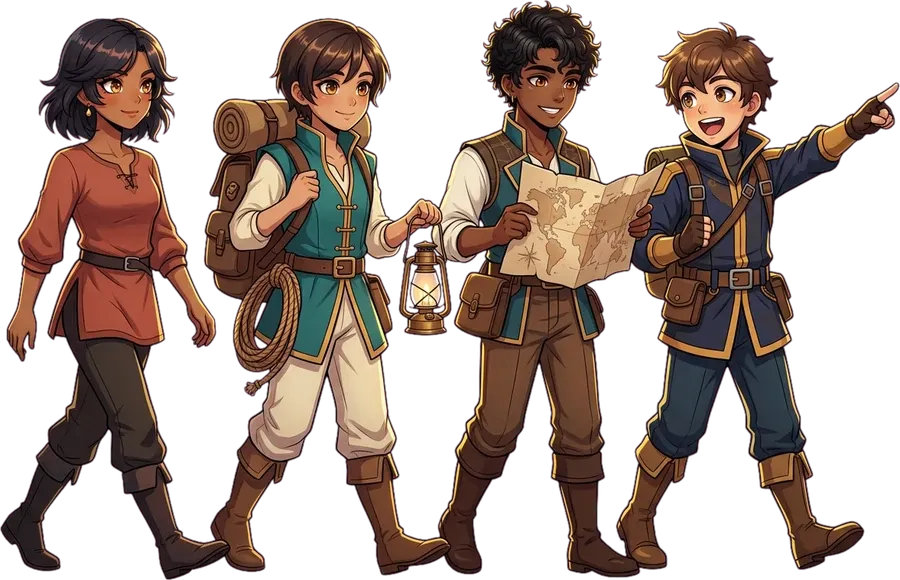 Replace the corporation with new ways of organizing ourselves called parties and guilds.You form a party when you want to take on a quest and pool your machine labor to accomplish a goal, and you join a guild when you want to learn a skill or practice a craft in pursuit of mastery in and of itself.Read the essay
What it’s for
We want to grow, and we want to matter.
When all our needs are met, why will we do things? Because we’ll ALWAYS want to do things, and do them together. Following our curiosity and collaborating with or helping others should be our two defining organizing principles going forward.

Who will build this?
Worldbuilders
Speed of technological progress isn’t the main risk. Direction is.
- Doomerswant a brake
- Accelerationistswant a gas pedal
- Worldbuilderswant a steering wheel
A floor for everyone, and a frontier for anyone.
The series, in order
Book One The world we want
 Start hereThe AI Industry Has Never Told You What’s In It for YouHalf of Americans are more worried than excited about AI. That isn’t a technology problem. It’s a pitch problem.5 min read
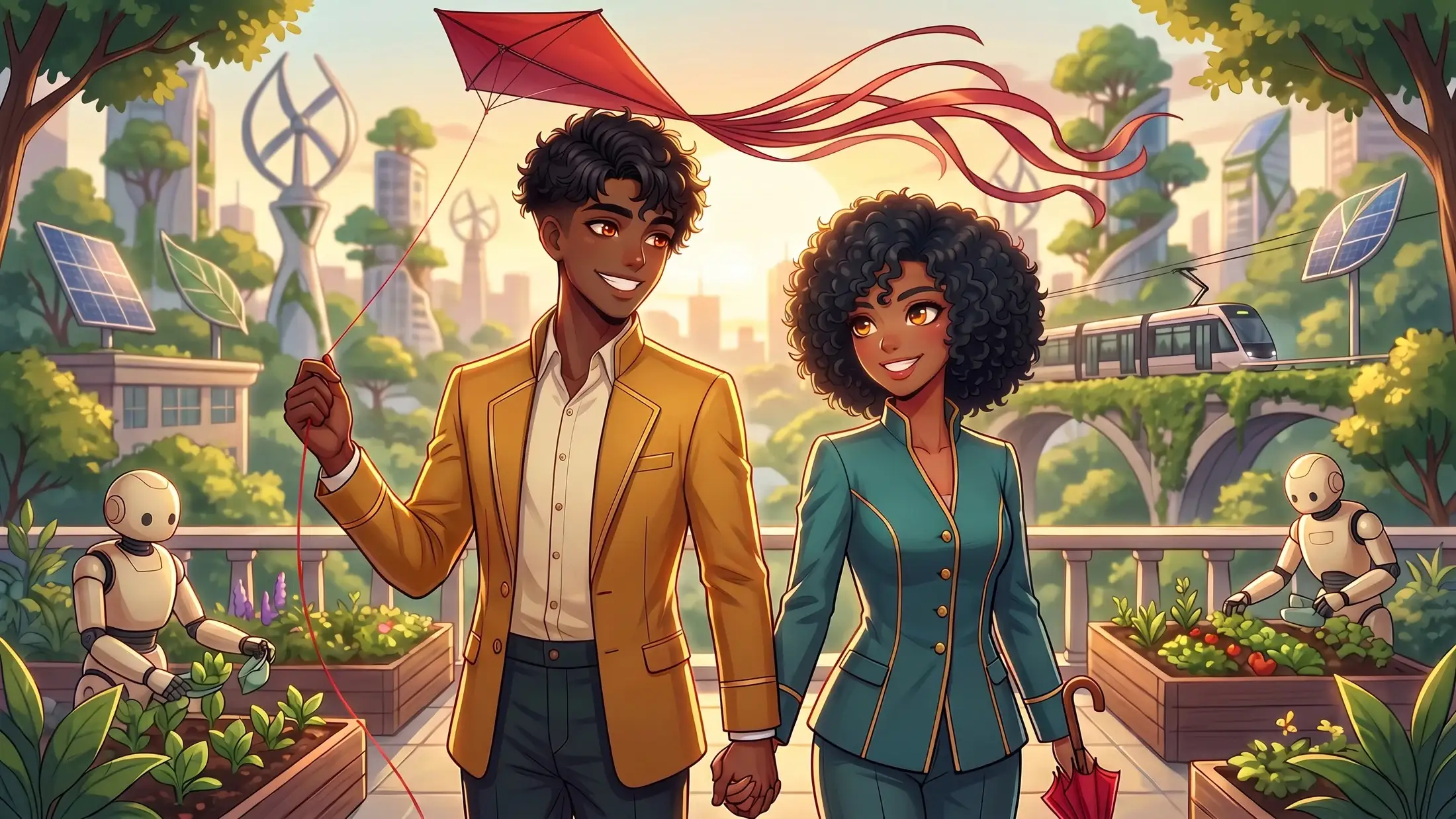 Part 1Machines Can Make Us Both Free and Safethe case that machine labor can make us both free and safe, and a map of the series that shows how.10 min read
 Part 2If a Human Wants to Do a Job, a Machine Shouldn’t Take Itwhat machine labor on demand is, why it should fill gaps instead of replacing people, and what the AI industry plans instead.12 min read
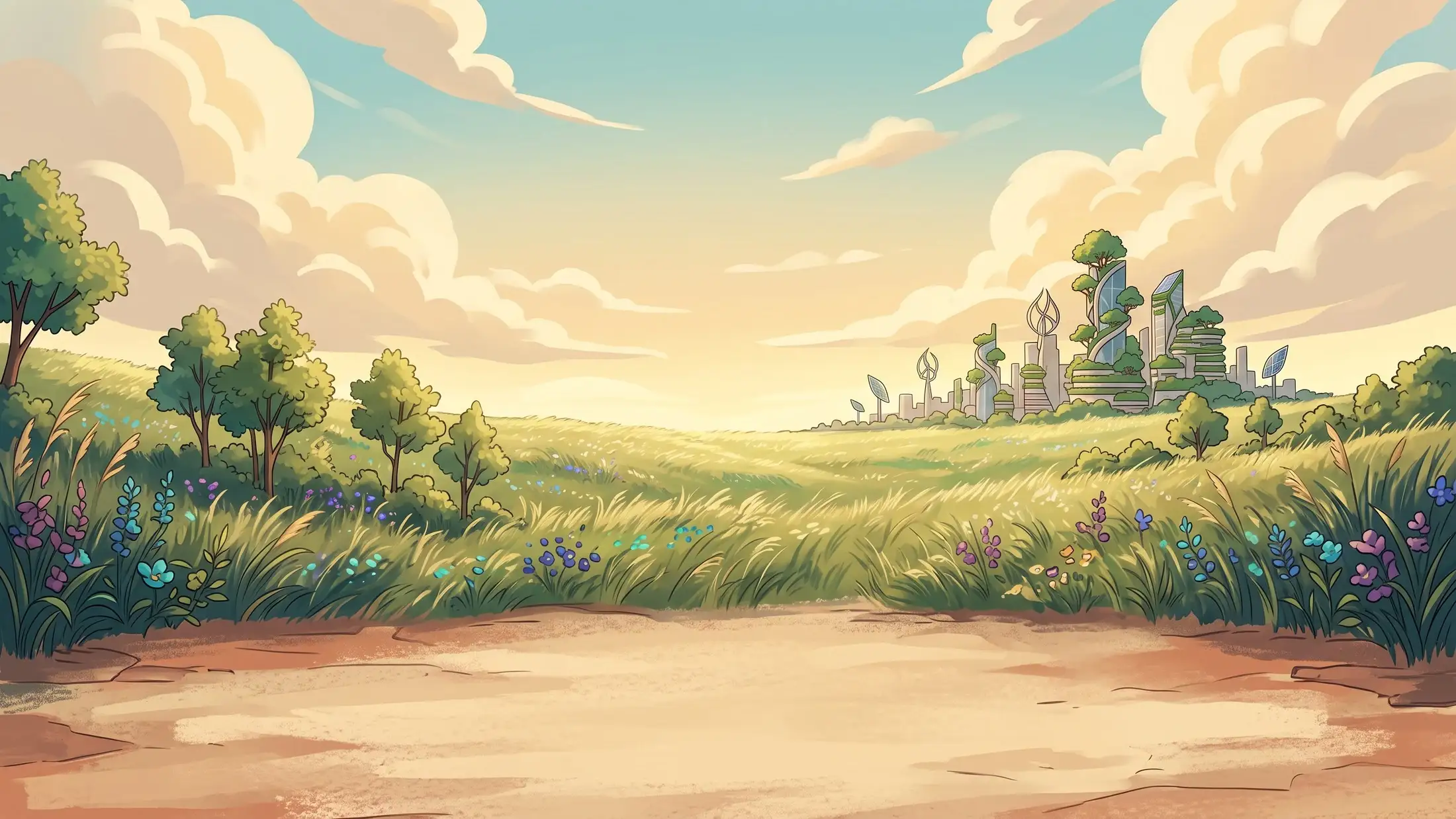 Part 3Point the Machines at What’s Scarcewhy things are scarce, and how machine intelligence can break those scarcities, one bottleneck at a time.8 min read
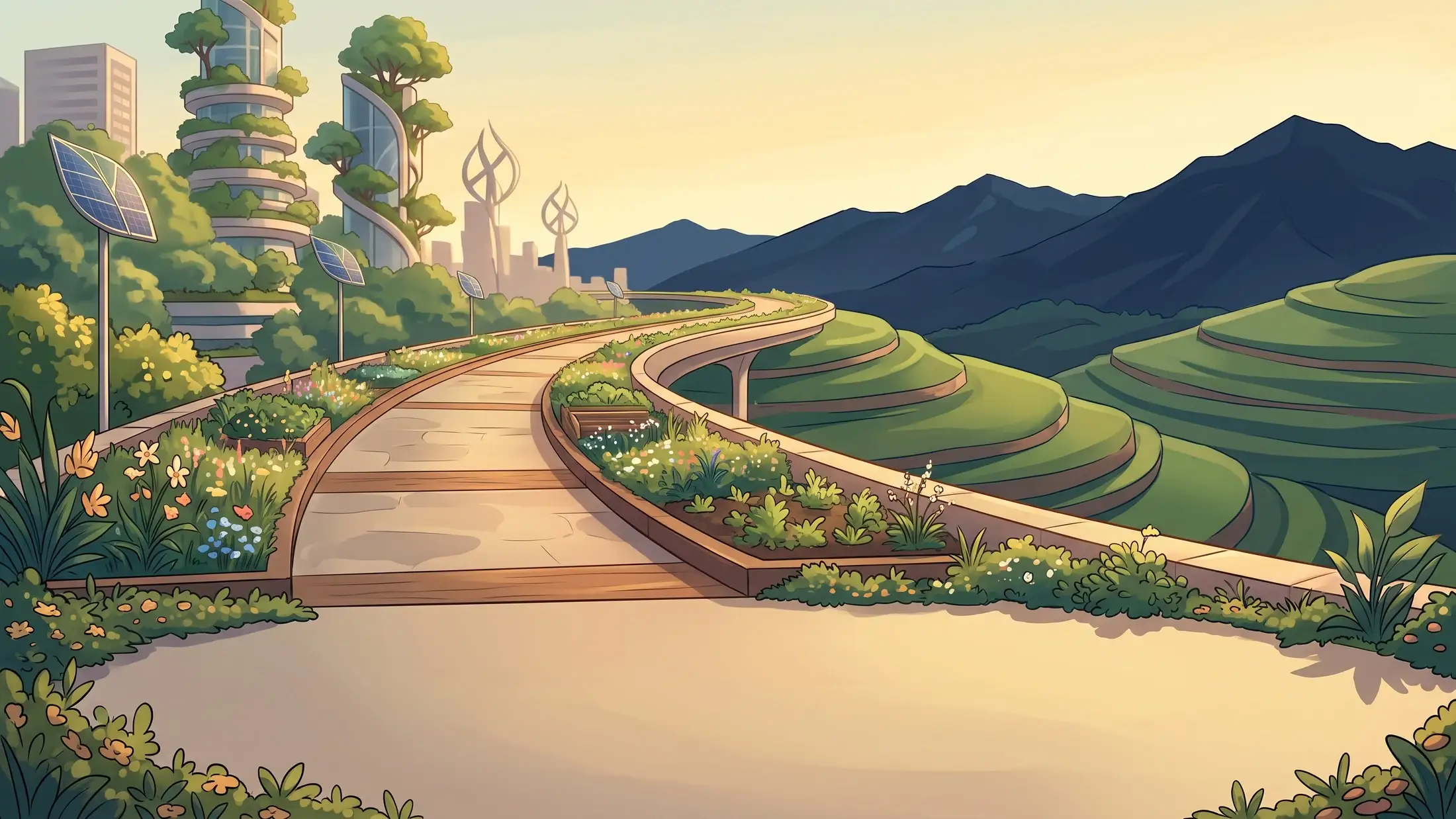 Part 4Quests Should Replace Corporationswhy the corporation won’t survive machine labor, and the two organizations I think replace it.15 min read
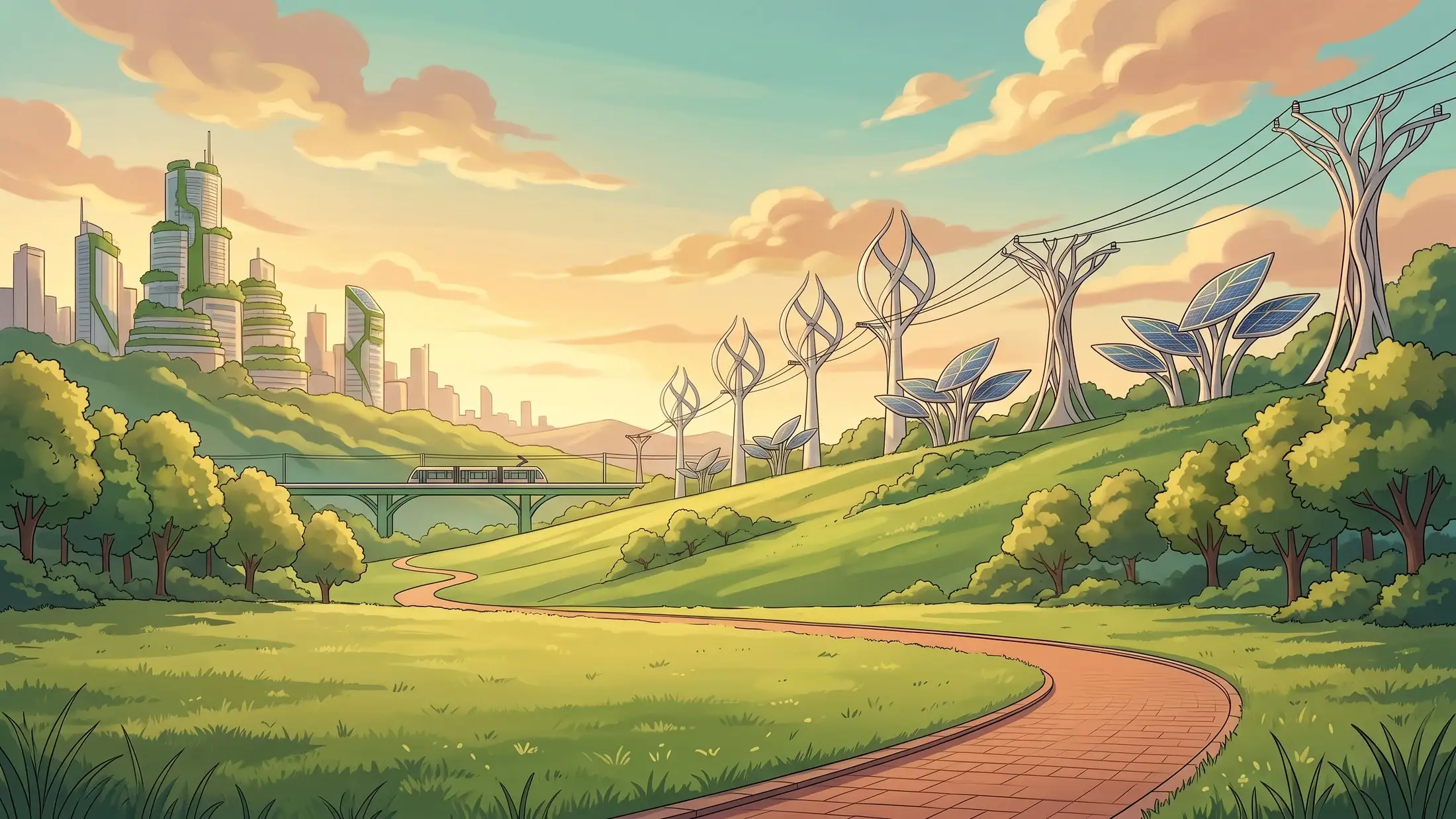 Part 5Every Town Can Own Its Own Power Plant and Chip Fabwho should own the machines once things are abundant, and why the answer is every community, not a company or a central planner.10 min read
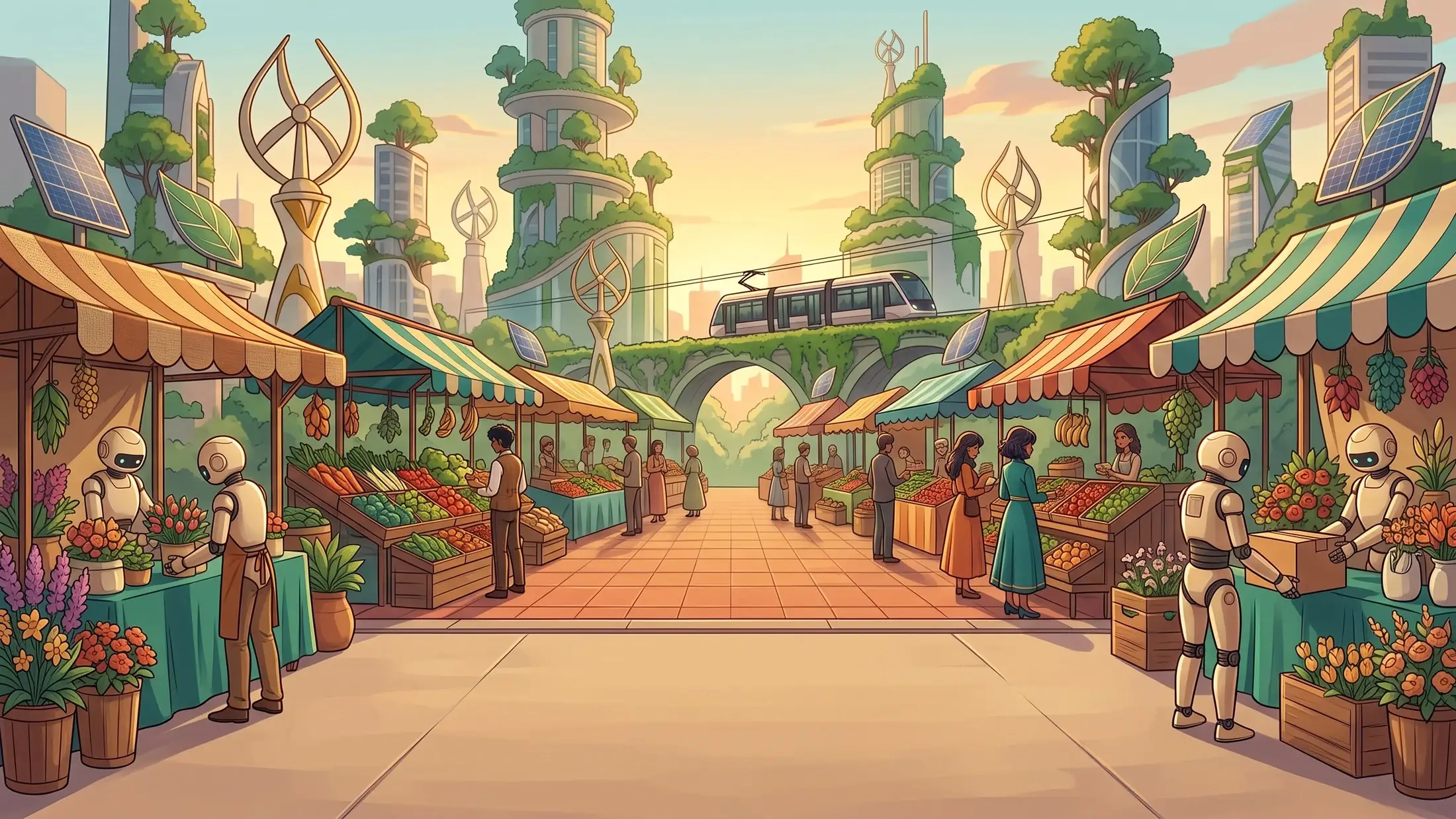 Part 6UBI Won’t Work. Universal Basic Goods Will.why a check can’t do what the things themselves can, and what money is still for.10 min read
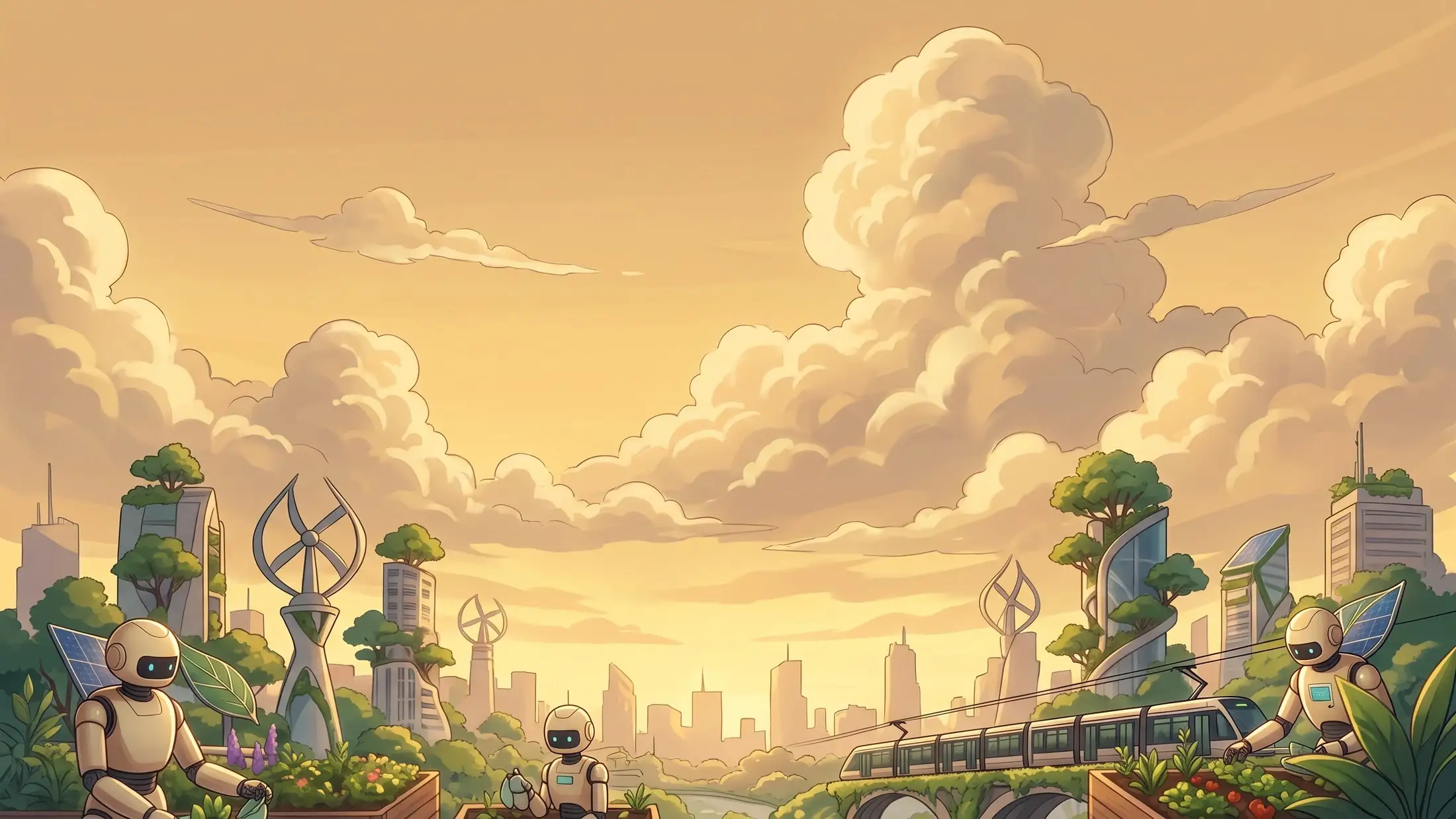 Part 7We’re Less Than a Decade From the Next Economic Systemwhat every past transition between systems of power had in common, and why the next one is less than a decade away.14 min read
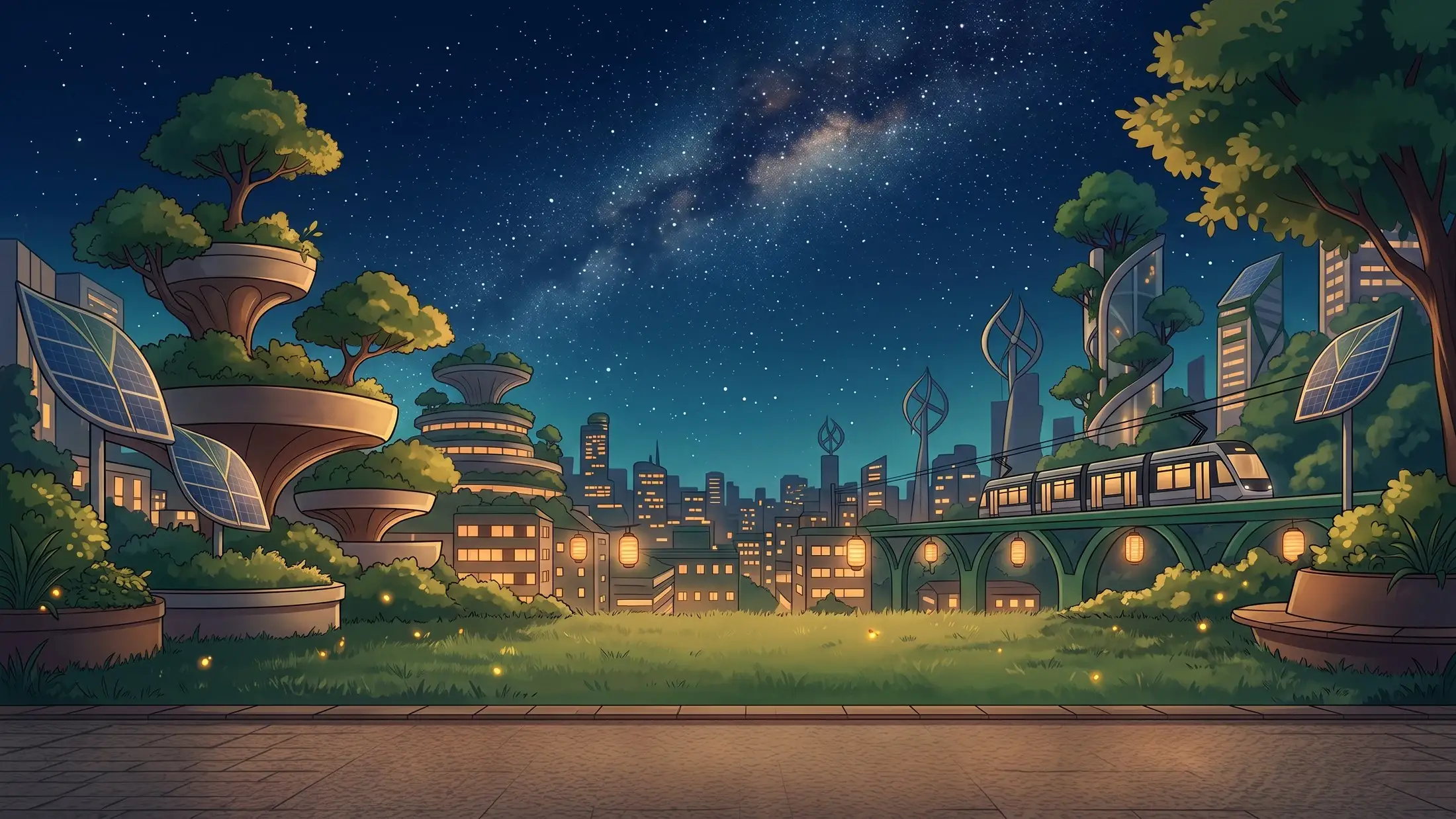 Part 8AI Will Kill Packaged Meaning. Let It.Sam Lessin is right that AI ends the industrial story of why we strive, and what replaces it should be built on the two things no machine can automate, curiosity and care.16 min read
Book Two Living in it
What life, work, culture and meaning look like in the world we want
- Part 9The Earth Should Be a Garden, Not a Mine
- Part 10A Floor for Everyone, a Frontier for Anyone
- Part 11Remix Will Kill the Copy, Not the Creator
- Part 12Your First Party Member Should Be an AI You Own
- Part 13Pokémon Already Showed Us How Machine Labor Should Work
- Part 14You Won’t Have a Career. You’ll Have a Skill Tree.
- Part 15The Olympics, but for Everything
- Part 16Above Self-Actualization Is the Universe
Book Three Building it
The mechanics and the path from here: universal basic capital, taxes, law, the safety net, and the first steps
- Part 17Keep Money, Add a Second Ledger
- Part 18Every Spending Bill Should Show Up on Your Paycheck
- Part 19Plan for the Bad Transition
- Part 20Get Paid to Train the Robot That Takes Your Job
- Part 21The World We Want Is Mostly Constitutional
- Part 22Five Takes the AI Industry Needs to Ingest
- Part 23Emad Mostaque and I Agree on the Destination, Not the Road
- Part 24Doom or Foom, the Answer Is the Same: Own the Machines
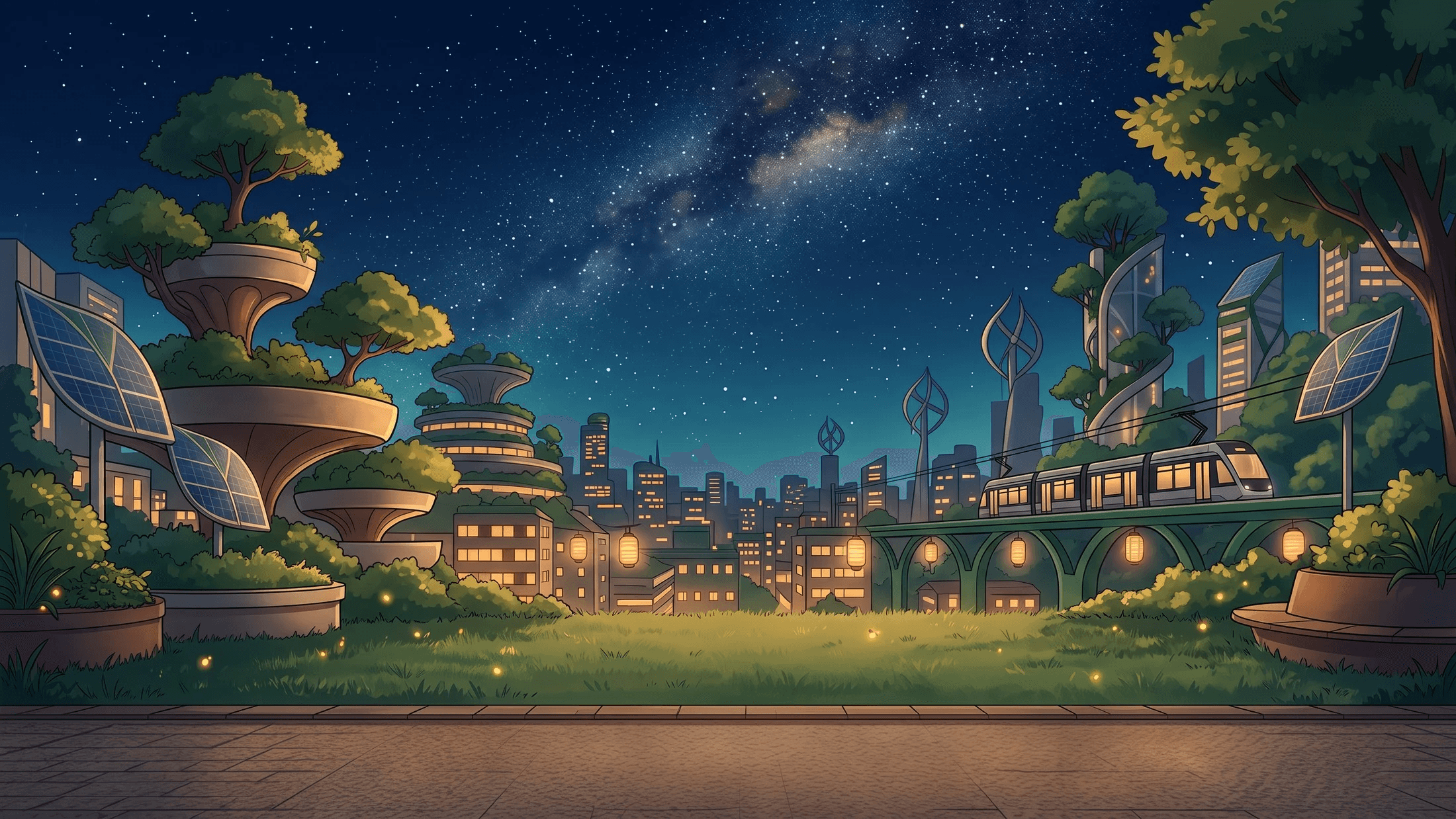
In this world, you can be free... because you’re safe.
Futurespective
The AI industry has had years to tell you what’s in it for you. They failed. Here’s my attempt...
New essays from Futurespective, in your inbox.